
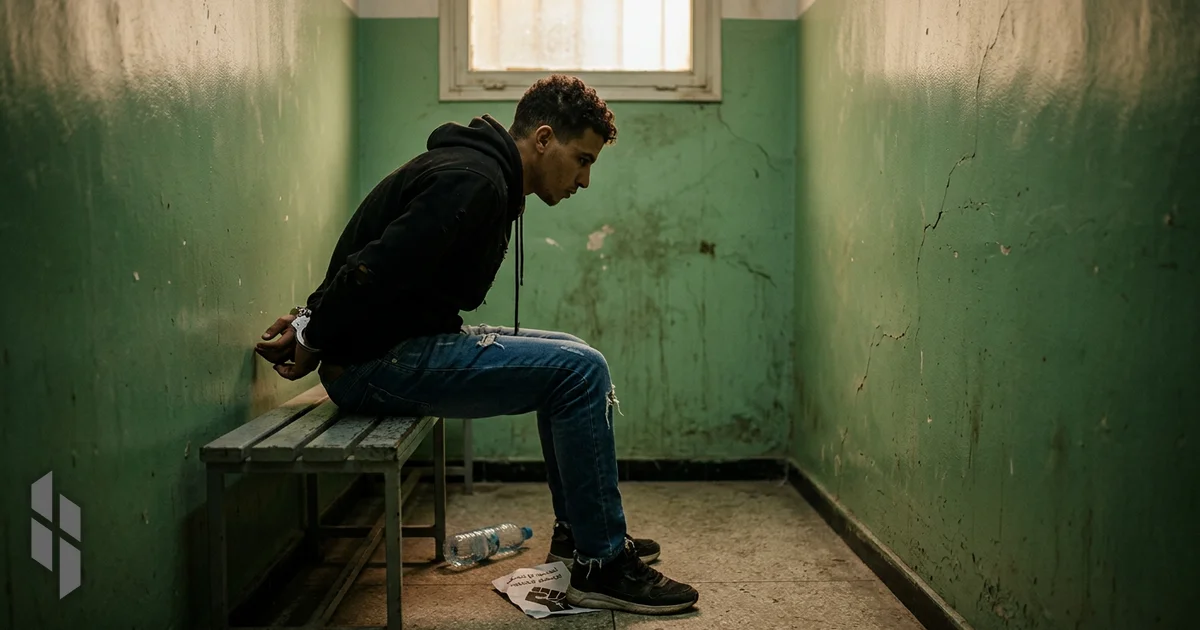
Your Rights: Arrests in 2026 Protests Morocco
Your Rights: Arrests in 2026 Protests Morocco
Imagine you are participating in a peaceful demonstration in the heart of Casablanca or Rabat in 2026. The atmosphere is charged, and suddenly, security forces begin making arrests. In the heat of the moment, do you know where the line is drawn between a lawful protest and a criminal offence? Do you know what happens the moment a police officer places you under arrest, or what protections the Moroccan Penal Code affords you during detention?
Understanding your legal standing is not just a matter of academic interest; it is a vital necessity for every citizen and resident. As Morocco continues to modernise its legal framework, staying informed about the intersection of public assembly laws and criminal procedure is essential. This guide provides a comprehensive breakdown of your rights, the specific articles of law that govern arrests, and the procedural safeguards in place to ensure a fair trial.
In this article, you will learn about the legal foundations of arrest during public gatherings, the strict penalties for interfering with democratic processes, and the rights of detainees within the Moroccan penitentiary system. Whether you are a student, an activist, or a concerned citizen, this 2026 guide serves as your definitive resource for navigating the complexities of Moroccan law regarding protests and arrests.
Legal Foundation: The Framework of Public Order and Penalties
The legal landscape governing arrests in Morocco is a combination of the Penal Code, the Code of Criminal Procedure, and specific Organic Laws related to elections and public institutions. In 2026, these laws remain the bedrock of how the state balances individual liberties with the maintenance of public order.
The Penal Code and Public Order
The primary document defining criminal acts is the Moroccan Penal Code (Code Pénal). Under this code, several sections detail what constitutes a "threat to public order." For instance, Article 309 of the Penal Code specifically addresses the act of escaping or attempting to escape from legal custody. It states that any person legally detained or arrested by virtue of a judicial order who escapes or attempts to escape faces imprisonment from one to three months. However, if this escape involves violence or threats, the penalty increases significantly to two to five years of imprisonment.
Organic Laws and Electoral Protests
Morocco places a high premium on the integrity of its democratic processes. When protests intersect with election periods—a common occurrence in 2026—specific Organic Laws apply.
- Organic Law No. 59.11 (Article 56) stipulates that anyone who, through gatherings, shouting, or threatening demonstrations, causes a disturbance in the voting process or interferes with the freedom of voting, faces imprisonment from one month to six months and a fine of 10,000 to 50,000 MAD.
- Organic Law No. 28.11 (Article 54) mirrors these protections for the House of Councillors, ensuring that "threatening demonstrations" that disrupt the peace are met with strict legal consequences.
The Code of Criminal Procedure
While the Penal Code defines the crimes, the Code of Criminal Procedure (Procédure Pénale) defines how the police and courts must act. This includes the rules for Garde à Vue (pre-trial custody) and the rights of the accused to legal counsel. For a deeper look at how these rights apply when challenging state actions, see our guide on Administrative Law in Morocco: Citizen Rights Against Government.
Practical Guide: What Happens During and After an Arrest
If you are arrested during a protest in 2026, the process follows a specific legal sequence designed to protect the rights of the individual while allowing the state to investigate potential infractions.
1. The Moment of Arrest and Identity Verification
Security forces (DGSN or Royal Gendarmerie) have the authority to verify identities. If an individual is suspected of committing a crime—such as "disturbing the peace" or "unarmed gathering" (attroupement)—they may be taken into custody. It is crucial to remain calm. Resistance can lead to additional charges under Article 309 of the Penal Code regarding "rebellion" or "violence against officers."
2. Pre-trial Detention (Garde à Vue)
Once at the police station, the suspect is usually placed in Garde à Vue.
- Duration: Generally 48 hours, renewable once for 24 hours with the written authorization of the Public Prosecutor (Procureur du Roi).
- Rights: You have the right to remain silent, the right to a lawyer, and the right to have your family notified. In 2026, the role of legal counsel has been further strengthened through recent reforms. You can read more about the evolving role of legal professionals in our article on the Bar Association: Protest Role in Morocco 2026.
3. Required Documentation and Procedures
The police must draft a Procès-Verbal (PV), which is the official record of the interrogation.
- Reviewing the PV: You have the right to read the PV before signing it. If you do not understand the language (Arabic), you have the right to an interpreter.
- Medical Examination: Under the Code of Criminal Procedure, a suspect can request a medical examination if they claim to have been subjected to violence during the arrest.
4. Appearance Before the Prosecutor
After the detention period, the suspect is presented before the Public Prosecutor. The Prosecutor will decide whether to:
- Release the individual without charges.
- Grant provisional release (liberté provisoire) with or without bail.
- Order continued detention (détention préventive) pending trial.
Key Provisions Explained: Understanding the Articles
To truly understand your rights, one must look closely at the specific language used in Moroccan legislation. The laws of 2026 are precise regarding what constitutes an illegal act during a protest.
Interference with Voting and Public Meetings
Article 57 of Organic Law 59.11 is particularly strict regarding the physical disruption of public spaces during elections. It states that anyone who enters or attempts to enter a voting hall by force to prevent voters from choosing a candidate faces six months to one year in prison. If the individual is armed, the penalty jumps to one to three years.
Furthermore, Article 58 of the same law introduces a "conspiracy" element. If the disruption is part of a "premeditated plan" (plan prémédité) agreed upon to be executed across the Kingdom or in specific provinces, the penalty can reach ten to twenty years of criminal imprisonment. This highlights the state's zero-tolerance policy for organized efforts to destabilize the democratic order through violent protest.
Rights Within Prison Institutions
If an arrest leads to incarceration, the rights of the individual do not disappear. Decree No. 2.99.1216, which implements Law No. 23.98 regarding the organization of prisons, provides specific protections:
- Article 136: Social workers have the right to visit detainees. However, for those in "preventive detention" (détention préventive), visits or correspondence may require a permit from the competent judicial authority.
- Article 615 of the Code of Criminal Procedure: This article mandates that detainees in preventive custody must be allowed all communications and facilities compatible with security requirements to enable them to exercise their right to defense.
Violence Against Officials
Article 56 of Organic Law 28.11 (and similar provisions in Law 57.11) addresses violence against election officials. Voters who commit acts of violence against the head of a voting station or its members, or who use threats to delay the process, face six months to one year in prison and substantial fines. This reinforces the principle that while the right to protest is recognized, it cannot infringe upon the rights of others to perform their civic duties.
Common Mistakes & How to Avoid Them
Navigating an arrest is stressful, and many individuals inadvertently worsen their legal situation by making common errors.
1. Resisting Arrest or Attempting to Flee
As mentioned, Article 309 of the Penal Code punishes the act of escaping or resisting. Even if you believe the arrest is unjust, resisting physically provides the prosecution with an easy "open and shut" case for a secondary crime, regardless of whether the original protest charge holds up in court.
2. Signing Documents Without Reading
In the high-pressure environment of a police station, many people sign the Procès-Verbal (PV) without thoroughly checking its contents. In Moroccan law, the PV carries significant weight as evidence. If the statement does not accurately reflect what you said, you have the legal right to refuse to sign or to request corrections.
3. Forgetting the Right to a Lawyer
Under the 2026 legal framework, the right to see a lawyer during the Garde à Vue period is a cornerstone of a Fair Trial: Advocacy Reforms in Morocco 2026. Failing to demand a lawyer immediately can result in a lack of professional guidance during the most critical 48 hours of your case.
4. Engaging in "Premeditated" Group Actions
The difference between a spontaneous protest and a "premeditated plan" is the difference between a few months and twenty years in prison (under Article 58 of Law 59.11). Participants should be aware that digital communication (WhatsApp, Telegram) is often used by prosecutors to prove premeditation. Understanding the risks of organized disruption is vital for anyone involved in social movements.
Conclusion with Key Takeaways
The legal landscape for protests and arrests in Morocco in 2026 is defined by a rigorous attempt to balance the constitutional right to assembly with the necessity of maintaining public order and democratic integrity. While the Penal Code and various Organic Laws provide for strict penalties—ranging from fines to long-term imprisonment for organized violence—they also provide a framework of rights for the accused.
Knowledge is your best defense. By understanding the specific articles of the Penal Code and the Code of Criminal Procedure, you can ensure that your rights are respected from the moment of arrest through to the final judicial decision.
- Right to Information: You must be informed of the reasons for your arrest and your right to remain silent.
- Legal Counsel: The right to a lawyer during pre-trial detention is a fundamental safeguard in the Moroccan justice system.
- Specific Penalties: Disrupting elections or using violence against officials carries much heavier penalties than simple participation in an unauthorized gathering.
- Detention Standards: Law 23.98 ensures that even while detained, you have rights to social assistance and the ability to prepare your defense.
- Escaping Custody: Any attempt to flee or resist arrest can lead to additional prison sentences under Article 309 of the Penal Code.
Related Search Terms
9anoun ai, 9anon ai, kanon ai, kanoun ai, qanon ai, qanoun ai
Frequently Asked Questions
If the disruption involves a premeditated plan to interfere with elections across the country, Article 58 of Organic Law 59.11 allows for sentences of 10 to 20 years in prison.
Yes, under the Moroccan Code of Criminal Procedure and 2026 reforms, you have the right to legal counsel during the Garde à Vue period, which is the initial 48-hour detention.
Resisting arrest is a criminal offence under Article 309 of the Penal Code. If you use violence or threats against officers, you could face between two and five years of imprisonment.
The initial Garde à Vue is 48 hours, but it can be extended by an additional 24 hours if the Public Prosecutor provides written authorization.
Yes, specific Organic Laws (59.11, 28.11, and 57.11) apply during elections, often carrying stricter penalties for disrupting the peace or interfering with the freedom of choice for voters.
Yes, Article 136 of the decree implementing Law 23.98 allows social workers to visit detainees, though those in preventive detention may require a specific judicial permit.
Get weekly Moroccan legal updates 📬
Exclusive insights on Moroccan law, citizen rights, and new court decisions — delivered straight to your inbox.
No spam. Unsubscribe anytime.
Have More Legal Questions?
Consult 9anon AI now and get accurate, instant answers about your legal situation in seconds.
Related Articles
Cybercrime Penalties: Morocco Social Media Guide 2026
Do you know the cybercrime penalties in Morocco? Learn about the 2026 penal code amendments and fines for online offenses. Avoid legal troubles now!
Bar Association: Protest Role in Morocco 2026
What is the role of the Bar Association in opposing draft laws in Morocco? See how your bar influences legislation in 2026. Participate in defending your rights!
New Check Law: Family Rights (2026) Morocco
What are your rights under the amended Check Law in family transactions in Morocco? Learn about new exemptions & how to prove family ties to avoid prosecution.