
Bar Association: Protest Role in Morocco 2026
Bar Association: Protest Role in Morocco 2026
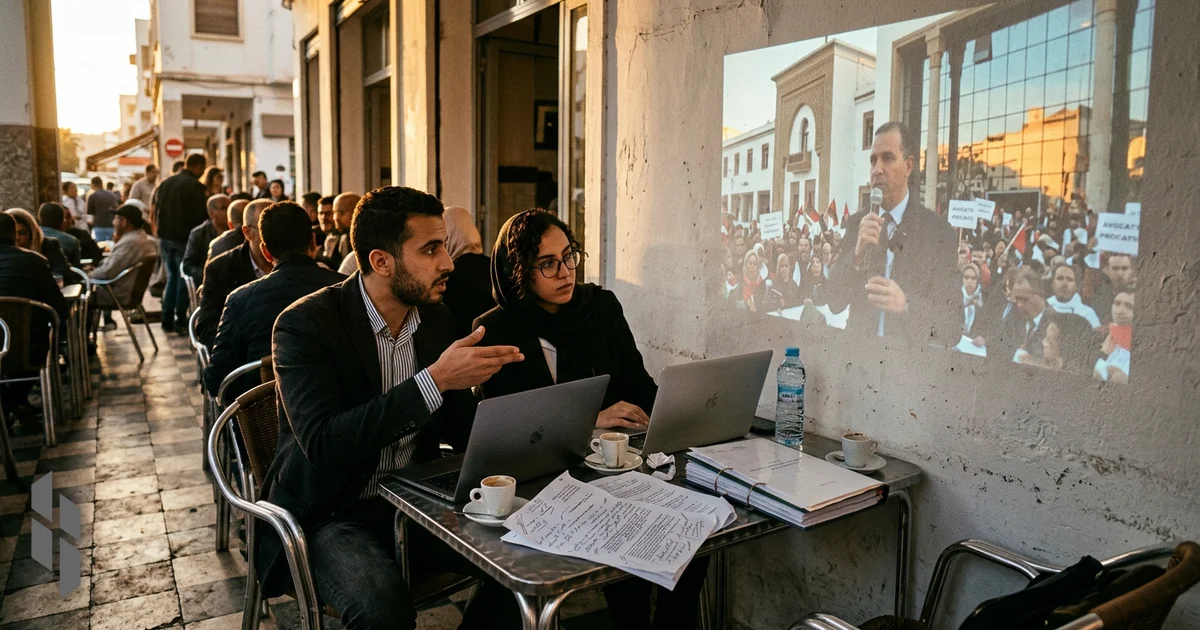
The legal landscape in Morocco is currently navigating a transformative era. As we move through 2026, the relationship between the legal profession and the state has reached a critical juncture, marked by unprecedented activism from the Bar Association (Association des Barreaux du Maroc - ABAM). Imagine a citizen, Ahmed, who has a pending civil case regarding a property dispute. Suddenly, he finds that his hearing is postponed indefinitely because his lawyer, along with thousands of others across the Kingdom, has donned the black robe not to argue in court, but to stand in protest outside the Parliament in Rabat.
This scenario is not merely hypothetical; it represents the reality of the Moroccan judicial system in 2026. The protest movements led by lawyers are not simply about labor disputes; they are fundamental struggles over the law, the independence of the judiciary, and the protection of citizen rights. In this comprehensive guide, we will explore the legal foundations of the Bar Association’s role, the specific legislative triggers for recent strikes, and what these developments mean for the rule of law in Morocco.
You will learn about the intricate balance between the Ministry of Justice and the Bar, the specific articles of the Moroccan Constitution and the Penal Code that govern these interactions, and the practical implications for anyone navigating the Moroccan court system today.
Legal Foundation: The Pillars of the Legal Profession in Morocco
The legal profession in Morocco is not merely a private trade; it is a "public service" regulated by strict statutory frameworks designed to ensure the fair administration of justice. To understand the 2026 protests, one must first understand the laws that give the Bar Association its authority and the proposed changes that have sparked such fierce resistance.
The Constitutional Mandate
The primary source of authority is the Moroccan Constitution of 2011. Article 110 emphasizes that "judges of the bench are only subject to the application of the law," but it is the independence of the defense that ensures this application is fair. Furthermore, Article 22 protects the physical and moral integrity of all individuals, a provision that lawyers argue is undermined when the "rights of the defense" are weakened by restrictive legislation.
Law No. 28.08: The Current Governing Framework
Until the recent legislative pushes, Law No. 28.08 (as amended) served as the primary code regulating the practice of law.
- Article 1 of this law defines the lawyer as a part of the judicial family, contributing to the achievement of justice.
- Article 40 (referenced in [Reference 5]) specifically addresses the role of the Bar in Legal Aid. It stipulates that when a citizen is granted legal aid, the President of the Bar (the Bâtonnier) must appoint a lawyer to represent them, ensuring that poverty is not a barrier to justice.
The 2026 Legislative Flashpoint: Draft Law No. 23.66
The core of the current unrest lies in Draft Law No. 23.66 (often discussed alongside Draft Law 66.23). This proposed legislation aims to modernize the profession but has been viewed by the ABAM as an existential threat. Key points of contention include:
- Disciplinary Oversight: Shifting the power to discipline lawyers from the Bar Councils to the judicial courts.
- Access to the Profession: Changes to the Lawyer Entry Requirements that the Bar argues will dilute the quality of legal representation.
- Procedural Restrictions: New limits on how lawyers can interact with the Criminal Procedure Code (Code de Procédure Pénale), particularly during the investigative phases.
[Reference 6] highlights the importance of the Criminal Procedure Code, noting that the "rights of the defense" include the right to be assisted by counsel before the Judicial Police, the Public Prosecutor's Office, and Investigating Judges. Lawyers argue that the new reforms infringe upon these "basic rights," such as obtaining copies of case files in a timely manner.
Practical Guide: Navigating the Legal System During Protests
When the Bar Association calls for a "suspension of services," it creates a ripple effect throughout the Moroccan administrative and judicial machinery. If you are a litigant or a business owner in 2026, here is the step-by-step reality of how these protests affect your legal standing.
1. Understanding the Scope of the Strike
A "General Strike" by Moroccan lawyers usually involves:
- Suspension of Attendance: Lawyers refuse to attend hearings in all courts (First Instance, Appeal, and Cassation).
- Administrative Boycott: Refusal to file new petitions or interact with the mahakim.ma portal for e-filing.
- Legal Aid Suspension: While [Reference 5] mandates that lawyers perform legal aid duties "gratis," during a strike, even these appointments may be delayed.
2. Impact on Timelines and Deadlines
Under the Code of Civil Procedure, many legal actions have strict statutes of limitations. However, a national strike by the Bar often leads the Supreme Council of the Judicial Power (CSPJ) to issue circulars regarding the "force majeure" nature of the disruption.
- Step 1: Check the official announcements from the Association of Moroccan Bars (ABAM).
- Step 2: Consult with your counsel regarding "conservatory measures." Even during strikes, certain urgent matters (refere proceedings) might still be processed if there is an immediate threat to rights.
- Step 3: Monitor the mahakim.ma portal. As noted in our mahakim.ma guide 2026, digital records will still show hearing dates, even if they are destined to be postponed.
3. Costs and Fees
The financial aspect of the legal profession is also under reform. [Reference 3] mentions that agreements between the Ministry of Interior and local authorities determine the "lawyers' fees and expert costs" in cases involving local collectives. The 2026 protests also touch upon tax reforms (Finance Law 2026) which lawyers claim impose unfair withholding tax burdens on their practices, potentially increasing costs for the end client.
4. Required Documentation for Postponements
If your case is affected, you do not typically need to file a separate document. The court clerk records the absence of counsel due to the "professional movement," and the judge typically adjourns the case for "re-summoning" or "continuation of defense."
Key Provisions Explained: Rights, Discipline, and Oversight
To truly grasp why the Bar Association is in a state of protest, we must break down the specific legal provisions that are being debated in the halls of Parliament and the corridors of the Ministry of Justice in 2026.
The Right to Defense (Article 120 of the Constitution)
Article 120 of the Moroccan Constitution states that "every person has the right to a fair trial and a judgment rendered within a reasonable timeframe." The Bar Association argues that the government's focus on "efficiency" (through rapid digitalization and restricted oral arguments) sacrifices the "fairness" component of this article.
Disciplinary Procedures and Professional Independence
[Reference 2] provides an interesting parallel with the Order of Architects, where the National Council exercises disciplinary authority under the supervision of the "Higher Council." In the legal profession, the Bar Council has traditionally held the exclusive right to discipline its members.
- The Conflict: The 2026 reform seeks to give the Public Prosecutor more power to initiate disciplinary actions against lawyers.
- The Argument: Lawyers contend this violates the principle of independence. If a lawyer is afraid of being disciplined by the very state they are arguing against, they cannot zealously represent their client. For more on this, see our analysis of Lawyers' Discipline 2026.
The Role of Legal Assistants and Advisors
[Reference 4] discusses the creation of a body of Legal Advisors within the General Secretariat of the Government. The Bar Association has expressed concern that the expansion of "Legal Advisor" roles (who are not members of the Bar) into areas of practice traditionally reserved for lawyers—such as drafting certain contracts or representing public institutions—diminishes the role of the advocate.
Specialized Training and the Higher Institute of the Judiciary
[Reference 1] details the role of the Higher Institute of the Judiciary in training "Judicial Attachés." A key demand of the 2026 protests is that the training of lawyers should remain under the primary influence of the Bar Association rather than being entirely centralized under the Ministry of Justice's pedagogical control. They argue that a lawyer's mindset must be distinct from a judge's mindset to maintain the adversarial balance of the court.
Common Mistakes & How to Avoid Them
During periods of legal unrest and "Bar Association protests," litigants often make critical errors that can jeopardize their legal rights.
1. Assuming "Strike" Means "Statute of Limitations Tolled"
One of the most dangerous mistakes is thinking that because lawyers are on strike, the legal deadlines for filing an appeal or a claim have stopped.
- How to Avoid: Always ensure your petition is filed (digitally if possible) even if no one attends the hearing. The Code of Obligations and Contracts (Dahir des Obligations et des Contrats) has very specific rules on "force majeure," and a strike is not always automatically accepted as a reason for missing a deadline.
2. Attempting Self-Representation in Mandatory Counsel Cases
In Morocco, many cases (especially in the Court of Appeal and the Court of Cassation) require the signature of a registered lawyer.
- How to Avoid: Do not attempt to file these documents yourself; they will be rejected for "lack of capacity." Instead, seek a consultation with your lawyer about "pre-emptive filing" before a scheduled strike action.
3. Ignoring the Ministry of Justice's Digital Portals
Many citizens ignore the mahakim.ma portal during strikes, assuming everything is frozen.
- How to Avoid: Use the portal to track your case status. Sometimes, judges will still issue "orders" or "judgments" in cases that were already "deliberated" before the strike began.
4. Misunderstanding the "Legal Aid" Process
As seen in [Reference 5], legal aid is a right. Some believe that during a strike, they can bypass the Bar and ask the judge to appoint anyone.
- How to Avoid: The procedure remains the same. The President of the Court must still contact the Bâtonnier (Head of the Bar) to appoint a lawyer. If the Bar is protesting, there may be a delay, but the legal procedure must still be followed to ensure the eventual judgment is valid.
Conclusion with Key Takeaways
The Bar Association's protest role in Morocco 2026 is a testament to the evolving nature of the Moroccan state and its civil society. While the strikes cause temporary disruptions to the judicial calendar, the underlying issues—the independence of the defense, the protection of the Criminal Procedure Code rights, and the resistance against over-centralization of disciplinary power—are vital for the long-term health of Moroccan democracy.
As the government and the ABAM continue their dialogue through the commissions established by the Prime Minister, it is clear that the "Legal Profession Bill" will be the defining piece of legislation for this decade. For the average citizen, staying informed via official channels and maintaining close communication with legal counsel is the only way to navigate this complex period.
- Independence is Key: The primary driver of protests is the perceived threat to the Bar's self-governance.
- Legislative Reform: Draft Law 23.66 remains the center of the dispute between Minister Abdellatif Ouahbi and the legal community.
- Citizen Impact: While hearings may be delayed, the "Rights of the Defense" (Article 120) are the ultimate prize of these professional movements.
- Digital Integration: Despite protests, the digitalization of the Moroccan courts continues to be a parallel priority for the Ministry.
Related Search Terms
9anoun ai, 9anon ai, kanon ai, kanoun ai, qanon ai, qanoun ai
Frequently Asked Questions
Lawyers are protesting against Draft Law 23.66/66.23, which they claim reduces the Bar's independence, gives the Ministry of Justice too much oversight, and limits the rights of the defense in criminal proceedings.
Typically, a strike results in the postponement of hearings. While the court remains open, judges will usually adjourn cases because the mandatory legal representation is absent due to the professional movement.
In many Moroccan courts, such as the Court of Appeal, representation by a lawyer is mandatory by law. You cannot represent yourself in these instances, and attempting to do so may lead to your filings being ruled inadmissible.
The Association of Moroccan Bars (ABAM) acts as the coordinating body for all regional Bar associations, organizing national strikes, negotiating with the Ministry of Justice, and advocating for the professional rights of lawyers.
Legally, the right to aid remains under Law 28.08, but practical delivery may be delayed if the Bar has suspended all services. However, the Bâtonnier still holds the legal obligation to appoint counsel for urgent legal aid cases.
Their demands include the withdrawal of restrictive clauses in the new legal profession bill, maintaining exclusive disciplinary power within the Bar, and ensuring a participatory approach to all judicial reforms.
Get weekly Moroccan legal updates 📬
Exclusive insights on Moroccan law, citizen rights, and new court decisions — delivered straight to your inbox.
No spam. Unsubscribe anytime.
Have More Legal Questions?
Consult 9anon AI now and get accurate, instant answers about your legal situation in seconds.
Related Articles
Lawyers' Discipline 2026: Your Rights Explained Morocco
Are lawyers being disciplined directly by courts in Morocco? Learn your rights and the new disciplinary procedures to safeguard your interests in 2026. Understand the reforms!
Lawyers' Discipline: What's Changing in Morocco 2026?
Moroccan lawyers face new disciplinary rules in 2026. Learn about new powers, your rights, and how to file complaints. Get the full guide.
Uber Driver Rights: Your Legal Rights in Morocco 2026
Driving for Uber or Careem? Learn your worker rights in Morocco, whether you're independent or an employee. Important legal facts you need to know for 2026.