
Lawyer Strike Impact on Cases: Morocco 2026
Lawyer Strike Impact on Cases: Morocco 2026
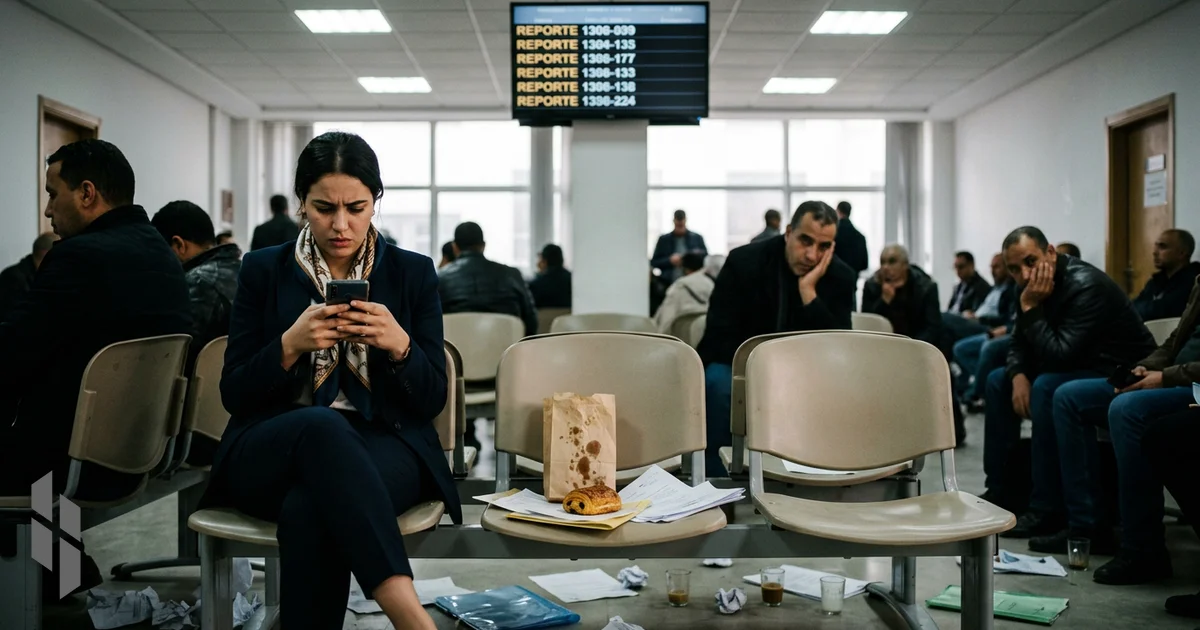
Imagine you have been waiting eighteen months for a final hearing in a complex commercial dispute or a sensitive family matter. You arrive at the court in Casablanca or Rabat, only to find the gates crowded with robes and the halls silent. Your lawyer informs you that the Moroccan Bar Associations (ABAM) have called for a nationwide strike. What happens to your deadlines? Does your case get dismissed? Can the judge rule in your absence?
As we navigate the legal landscape of Morocco 2026, the relationship between the legal profession and the Ministry of Justice has faced significant milestones. Recent strikes, sparked by debates over the new "Legal Profession Bill" and reforms to judicial discipline, have left many litigants wondering about their rights. This comprehensive guide explores the legal framework governing these disruptions and provides a roadmap for navigating the Moroccan court system during periods of professional unrest.
1. Legal Foundation: The Framework of Representation and Continuity
The impact of a lawyer strike in Morocco is not merely a matter of logistics; it is a profound constitutional and procedural issue. The right to a defense is enshrined in the Moroccan Constitution and detailed across several key codes. When lawyers strike, they are exercising a form of professional protest, but the courts must balance this against the "continuity of public service."
The primary laws governing this area include:
- Law No. 28-08: This law organizes the profession of advocacy (Lawyers) in Morocco. It defines the independence of the bar and the obligations of lawyers toward the court and their clients.
- The Code of Criminal Procedure (CCP): Specifically Article 139, which mandates the presence of a lawyer during interrogations and hearings.
- The Code of Civil Procedure (CPC): Which governs how cases are postponed and how deadlines are calculated.
- The Judicial Ethics Code (2026 Update): Which outlines the duties of judges to ensure the fair administration of justice even during external disruptions.
Under Article 139 of the Code of Criminal Procedure, the law is explicit: "The accused and the civil party may not be heard or confronted... except in the presence of their lawyer or after their lawyers have been legally summoned." This creates a procedural "lock." If a lawyer is on strike and refuses to attend, many criminal proceedings must legally grind to a halt to avoid the nullity of the procedure.
Furthermore, Reference 2 (Statute of Judges) highlights that the Ministry of Justice has the power to appoint or "depute" judges to fill vacancies (Article 57), but there is no equivalent mechanism to force a striking lawyer to represent a private citizen against their will, except in specific court-appointed legal aid scenarios which are also often affected by strike actions.
2. Practical Guide: What Happens to Your Case During a Strike?
If you are a litigant in Morocco in 2026, a strike typically triggers a specific sequence of administrative events. Understanding these can save you significant stress and legal costs.
Step 1: The Automatic Postponement
In most civil and commercial matters, if the lawyers are on strike, the judge will typically postpone the case "office-held" (en état). According to Article 139 of the CCP and general principles of the CPC, the court cannot proceed to a final judgment on the merits if a party’s right to defense is compromised by the absence of their counsel.
- Timeline: Postponements usually range from 2 to 4 weeks depending on the court's calendar.
- Notification: You can check the new date via the mahakim.ma guide 2026 portal.
Step 2: Handling Urgent Matters (Reféré)
For urgent cases—such as stopping an imminent eviction or freezing a bank account—the "Judge of Urgent Matters" (Juge des Référés) may still hold sessions. However, even here, the lack of a lawyer can be a barrier.
- Required Documents: Ensure you have your original summons and any "Urgent Motion" documents.
- Cost: There is usually no extra court fee for a strike-related postponement, but you should confirm with the clerk (Greffe).
Step 3: Criminal Interrogations and Custody
This is the most critical area. Reference 1 (Article 139 CCP) states that the lawyer must be summoned at least ten days before an interrogation. If a strike is ongoing, the interrogation is often delayed. However, under Article 134, a judge can still order the detention of a suspect. If you are in custody during a strike, your family should contact the Bar Association's "Permanence" (on-duty office) to see if emergency legal aid is being provided despite the strike.
Step 4: Electronic Filing and Deadlines
In 2026, Morocco has heavily digitized its judiciary. Using electronic court filing, some lawyers may still file written submissions even if they are not attending physical hearings.
- Warning: Do not assume a strike "pauses" the statute of limitations. If you have a deadline to file an appeal (usually 15 to 30 days), you must ensure the petition is filed electronically or through the court clerk, even if the hearing itself will be delayed.
3. Key Provisions Explained: Rights and Nullity
To understand why a lawyer strike is so effective in Morocco, one must look at the "Nullity Rules." In Moroccan law, if a mandatory procedure is skipped, the entire judgment can be overturned.
The Right to Counsel (Article 139 CCP)
As cited in Reference 1, the law states: "The accused and the civil party... may not be heard... except in the presence of their lawyer." This is a protective shield. If a judge attempts to force a trial while lawyers are striking, the resulting conviction could be declared void under Article 213 of the CCP (Reference 8), which discusses the withdrawal of voided procedures from the case file.
The Power of Adjournment (Article 300+ CCP)
Reference 6 (Article 300) emphasizes that search and discussion procedures must happen in public sessions. If the defense is absent due to a strike, the "balance of the parties" is lost. The court has the authority under these provisions to postpone the case to a later date. If all parties are present, the court can set a date immediately; if not, new summons must be issued.
Judicial Ethics and the "Duty of Reserve"
During strikes, judges are under immense pressure. Reference 5 (Judicial Ethics Code) mandates that a judge must remain neutral. Article 1 of this code prevents judges from giving legal advice or defending their decisions publicly. This means a judge cannot "help" a litigant who is missing a lawyer due to a strike; they must remain an impartial arbiter, which usually results in a postponement to protect the litigant's rights.
Arbitration and Mediation: The Alternative
If your case is stuck in the courts due to a strike, you might consider the provisions of Law 95.17 regarding arbitration. As noted in Reference 3 (Article 27), if an arbitrator fails to perform their duty, the court can intervene. While this applies to private arbitration, it highlights a broader legal principle in Morocco: the law provides mechanisms to replace "stalled" actors to ensure justice eventually moves forward.
4. Common Mistakes & How to Avoid Them
When a strike occurs, many litigants make errors that can jeopardize their legal standing. Here is how to avoid them in the 2026 context:
- Mistake 1: Failing to Show Up: Even if you know your lawyer is striking, you should still attend the court session if you are summoned. If you are absent and the strike is "partial" or the judge decides to proceed, you could face a "judgment in absentia." Always appear and tell the judge: "My lawyer is observing the national strike, and I request a postponement to maintain my right to a defense."
- Mistake 2: Ignoring Appeal Deadlines: A strike by the Bar Association does not automatically suspend the legal deadlines for filing appeals. If you miss a 10-day or 30-day window, the court may reject your appeal as "out of time." Ensure you check the tax dispute appeal deadlines or general civil deadlines.
- Mistake 3: Attempting Self-Representation in Mandatory Cases: In certain Moroccan courts (like the Court of Cassation or certain Commercial Court matters), representation by a lawyer is mandatory by law. Attempting to sign your own petitions during a strike will lead to the court rejecting the documents for "lack of capacity."
- Mistake 4: Not Checking Mahakim.ma: In 2026, the Ministry of Justice updates case statuses in real-time. Many litigants travel hours to a court only to find the session was postponed 24 hours earlier online. Always verify your case status digitally.
5. The 2026 Context: Why Are Lawyers Striking?
To navigate the current climate, one must understand the "Legal Profession Bill" of 2026. The Moroccan government, seeking to modernize the justice system, introduced reforms that lawyers argue infringe upon their independence. Key points of contention include:
- Disciplinary Oversight: The government proposed giving the courts more direct power over lawyer discipline, whereas the Bar traditionally handled this internally.
- Taxation: New withholding tax requirements for legal fees (similar to the 5% RAS on corporate services) have been a point of friction.
- Mandatory Digitization: While judicial digitization is generally welcomed, the speed of implementation has caused procedural hurdles that the Bar feels are being forced without adequate consultation.
The "Mixed Commission" established between the Prime Minister and the Association of Moroccan Bar Associations (ABAM) is the primary body currently negotiating these issues. As a litigant, your case is essentially a "hostage" to these high-level negotiations.
6. Conclusion: Navigating the Uncertainty
A lawyer strike in Morocco is a significant disruption, but the legal system contains built-in safeguards to ensure that your substantive rights are not permanently lost. By understanding the Code of Criminal Procedure and the Code of Civil Procedure, you can protect your interests until the professional dispute is resolved.
Key Takeaways for 2026:
- Prioritize Deadlines: Professional strikes do not stop the clock on statutory deadlines. Use e-filing where possible.
- Respect the Procedure: Always attend your hearings even if your lawyer is absent, to formally request a postponement.
- Stay Informed: Use the mahakim.ma guide 2026 to track postponements and new hearing dates.
- Criminal Defense: If a loved one is in custody, Article 139 is your strongest weapon—no interrogation can legally proceed without a lawyer unless the right is explicitly waived.
The Moroccan legal system is evolving rapidly. While strikes represent a "friction point" in this evolution, the ultimate goal of both the Ministry and the Bar is a more efficient, transparent, and fair justice system for all citizens.
Related Search Terms
9anoun ai, 9anon ai, kanon ai, kanoun ai, qanon ai, qanoun ai
Frequently Asked Questions
Generally, no. Under Moroccan procedural law, if representation is mandatory or if a party requests a postponement due to their lawyer's absence during a strike, the judge will adjourn the session to a later date to ensure a fair trial.
Fees are governed by your private contract with the lawyer. However, since the strike is a collective professional action, most lawyers do not charge extra for the resulting postponements, though the initial retainer remains valid.
Urgent matters (Référés) may still be heard. In some cases, the Bar Association provides a 'minimum service' or 'permanence' for extremely urgent or humanitarian cases, though this varies by city.
Yes, family court sessions are subject to the same postponement rules. If your lawyer is participating in the strike, the hearing for reconciliation or final judgment will likely be moved to a date after the strike ends.
The most reliable method is to check the 'Mahakim' mobile app or website using your case number. The court clerks update the system with 'Postponed due to strike' (تأجيل بسبب إضراب المحامين) status usually within 24 hours of the scheduled date.
In some civil and administrative cases, self-representation is allowed. However, in criminal cases or before the Court of Cassation, a lawyer is legally mandatory, and the court will not allow you to proceed alone.
Get weekly Moroccan legal updates 📬
Exclusive insights on Moroccan law, citizen rights, and new court decisions — delivered straight to your inbox.
No spam. Unsubscribe anytime.
Have More Legal Questions?
Consult 9anon AI now and get accurate, instant answers about your legal situation in seconds.
Related Articles
Lawyer Entry: New Moroccan Rules for 2026
What are the entry requirements for the legal profession in the new law in Morocco? Learn the requirements and how to prepare in 2026. Plan your career now!
mahakim.ma: Full Text Guide to the Courts Portal 2026
Need Moroccan court information? Learn how to use mahakim.ma (the courts portal) in 2026 to search cases & legal info. Start now!
Judicial Digitization: Court Impact Morocco 2026
How does digitization impact Moroccan courts? Understand the 2026 changes in the justice system and how to use digital services. Stay informed!