
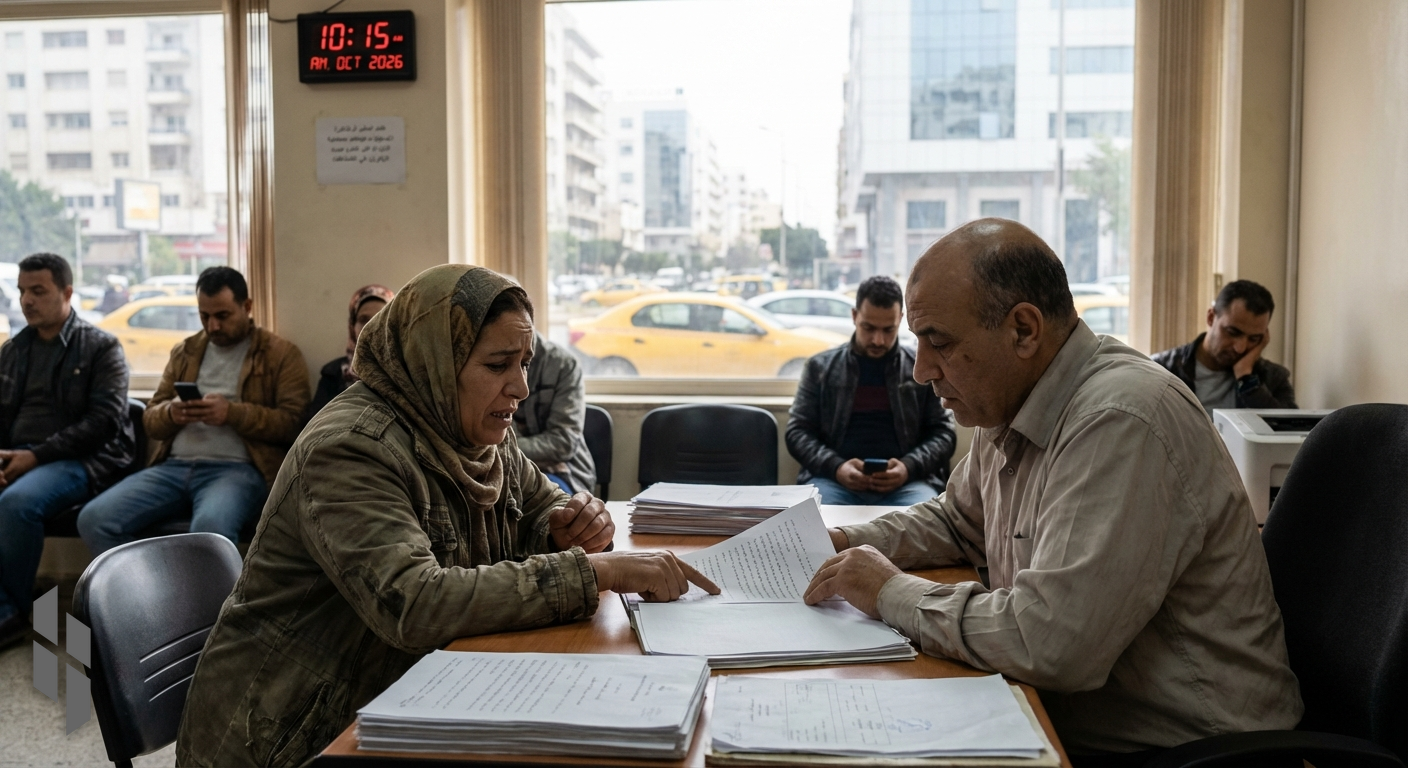
Morocco Migration Law Challenges and Updates for 2026
Morocco Migration Law Challenges and Updates for 2026
The legal landscape governing the entry and residence of foreign nationals in the Kingdom of Morocco has undergone significant transformation over the last two decades. As Morocco continues to position itself as a strategic bridge between Africa and Europe, its migration policies have shifted from a security-focused approach to one that increasingly emphasizes human rights and international cooperation.
For expatriates, investors, and migrants, understanding the nuances of Law No. 02-03 is essential for maintaining legal status. As we look toward 2026, the practical application of these laws, combined with recent administrative reforms, presents both opportunities and challenges for the foreign community.
The Legal Framework: Law No. 02-03
The primary legislation governing migration in Morocco is Law No. 02-03, promulgated by Dahir No. 1.03.196. This law establishes the rules for the entry and residence of foreigners, as well as measures to combat irregular migration.
Under this law, the Moroccan authorities maintain strict control over border crossings. According to Article 4 of the implementing decree (Decree No. 2.09.607), the competent authorities at border posts have the right to refuse entry to any individual who cannot provide sufficient justification for their stay or financial guarantees for their return. Furthermore, entry may be denied if an individual's presence is deemed a threat to public order or if they are subject to a prior expulsion order.
One of the most critical aspects of Law No. 02-03 is the requirement for residency permits. Foreigners residing in Morocco must ensure their permits are renewed within the legal timeframes. Failure to do so can lead to administrative penalties and, in some cases, legal proceedings.
Residency and Professional Integration
For many foreigners, residency is tied to professional activity. Moroccan law provides specific pathways for different categories of residents, but these often come with rigorous documentation requirements.
A practical example can be found in the healthcare sector. Under Law No. 45-13 and its implementing decrees, foreign nationals wishing to practice professions related to rehabilitation and physical therapy must submit a comprehensive file to the Ministry of Health. This file must include:
- A certificate of nationality.
- A copy of a valid Moroccan residency card (Carte de Séjour).
- Evidence of continuous residence for at least ten years if the applicant is not from a country with a reciprocal agreement with Morocco.
This ten-year requirement highlights one of the "immigrant legal challenges" often faced by non-citizens: the long-term commitment required to access certain professional sectors. However, Morocco has simplified processes for those married to Moroccan nationals, reflecting a legislative intent to support family unity.
Protection and Rights of Documented Migrants
Morocco has made significant strides in the social integration of migrants. A key administrative body in this regard is the Ministerial Committee for the Affairs of Moroccans Residing Abroad and Migration Affairs.
Recent regulatory updates (such as Decree No. 2.14.963) have expanded the committee's mandate to include:
- Social Protection: Proposing measures for social security and medical assistance for migrants and refugees.
- Educational Integration: Facilitating the social and cultural integration of migrant children into the Moroccan school system.
- Legal Advocacy: Monitoring international agreements that protect the rights of migrants and their families.
For those residing legally, these updates mean better access to public services that were previously difficult to navigate. The government’s goal for 2026 is to further digitize these processes, reducing the "red tape" often associated with Moroccan visa reforms and residency renewals.
Legal Recourse and Investor Protections
A common concern for foreigners is the right to legal recourse if an entry or residency request is denied. Law No. 02-03 explicitly states that any foreigner refused entry has the right to contact their consulate, a lawyer of their choice, or the person they intended to visit in Morocco.
For foreign investors, the legal framework is even more robust. Law No. 21-82, which governs maritime investments, and various bilateral investment treaties (BITs) provide specific mechanisms for dispute resolution. Article 29 of Law No. 21-82, for instance, references international conventions for the settlement of investment disputes between states and nationals of other states. This ensures that foreign capital is protected by both domestic law and international arbitration standards.
Key Takeaways for 2026
Navigating Moroccan migration law requires a proactive approach to documentation and a clear understanding of one's legal category. As we move toward 2026, keep the following points in mind:
- Timely Renewal: Always initiate residency permit renewals well in advance. The administrative transition periods mentioned in the law are strict, and missing deadlines can result in the loss of legal status.
- Professional Licensing: If you intend to work in regulated professions, be prepared to prove long-term residency (often 10 years) or provide proof of reciprocity between your home country and Morocco.
- Digital Reforms: Stay informed about new digital platforms launched by the Ministry of Interior and the Ministry of Foreign Affairs, which are designed to streamline visa and residency applications.
- Legal Representation: In the event of a dispute with border authorities or the administration, you have a statutory right to legal counsel under Law No. 02-03.
By staying compliant with Law No. 02-03 and utilizing the protections offered by Moroccan investment and social laws, foreign nationals can successfully navigate the challenges of living and working in the Kingdom.
Get weekly Moroccan legal updates 📬
Exclusive insights on Moroccan law, citizen rights, and new court decisions — delivered straight to your inbox.
No spam. Unsubscribe anytime.
Have More Legal Questions?
Consult 9anon AI now and get accurate, instant answers about your legal situation in seconds.
Related Articles
Check Offences Reform: 2% Settlement Fine 2026
The essential guide to Morocco's 2026 check law reform: understand the 2% settlement fine, new penalties, and family exceptions.
Law 03.23 Criminal Procedure: Cybercrime Impact 2026
Understand the new changes in Law 03.23 of the Criminal Procedure Code and its impact on cybercrime in Morocco. A comprehensive 2026 guide.
Real Estate & Family for MREs: Digitization 2026
Your guide as an MRE to obtaining online administrative and real estate documents, including building permits and custody papers in 2026.