
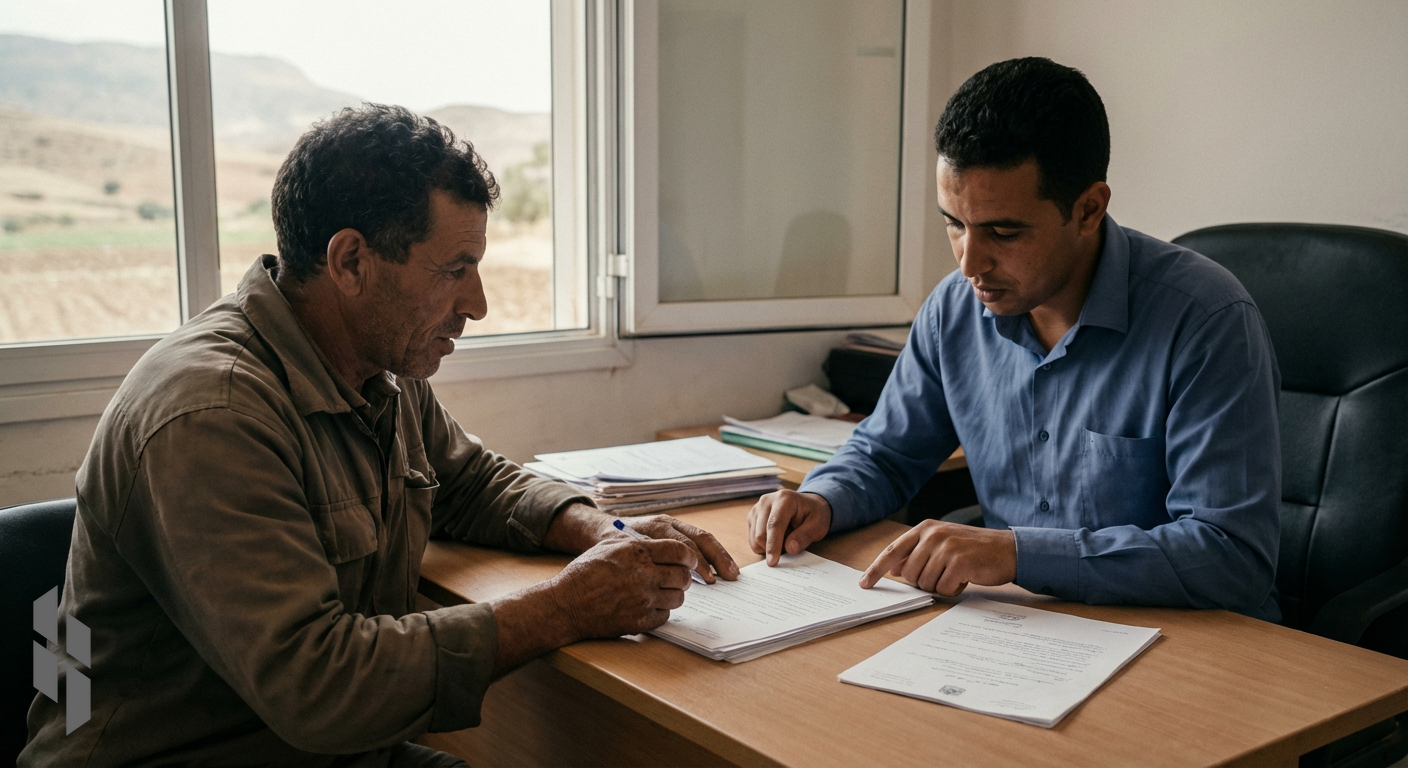
Legal Cannabis Cultivation Registration in Morocco: A Farmer's Guide
Legal Cannabis Cultivation Registration in Morocco: A Farmer's Guide
Morocco has embarked on a historic legislative journey regarding the cultivation and industrial use of cannabis. With the enactment of Law No. 13.21 related to the legal uses of cannabis, the Kingdom has established a rigorous legal framework designed to transition traditional cultivation into a high-value, regulated industrial sector.
For farmers, particularly those in the traditional growing areas of the Rif region, understanding the transition from the informal sector to a licensed, legal framework is essential. This guide explores the legal requirements, the application process, and the regulatory oversight governing legal cannabis in Morocco.
The Shift Toward Legalization and Regulation
Historically, cannabis cultivation was governed by restrictive texts, such as the Dahir of 1954 and the 1974 law concerning the suppression of drug addiction. However, Law No. 13.21 introduces a significant exception to these prohibitions. According to Article 1 of this law, the cultivation, production, processing, industrialisation, marketing, and export of cannabis and its products are now permitted under specific conditions.
This legal shift is managed by a dedicated regulatory body: the National Agency for the Regulation of Cannabis-Related Activities (ANRAC). Under Chapter 7 of the law, ANRAC is the sole authority responsible for issuing licenses for various activities, including:
- Cultivation and production of cannabis.
- Establishment and operation of nurseries.
- Import and export of seeds and seedlings.
- Transformation, industrialisation, and transport of cannabis products.
Eligibility Requirements for Farmers
To obtain a license for the cultivation and production of cannabis, an applicant must meet strict criteria set forth in Article 7 of Law No. 13.21. These requirements are designed to ensure that the benefits of legalization remain focused on local communities and legitimate Moroccan citizens.
The primary conditions include:
- Nationality: The applicant must hold Moroccan nationality.
- Age: The applicant must have reached the legal age of majority.
- Residency: The applicant must reside in one of the specific "douars" (villages) located within the provinces designated by decree for cannabis cultivation. This requirement is central to the government’s strategy to support the socio-economic development of the Rif region and other traditional growing areas.
- Land Ownership or Authorization: Farmers must demonstrate they have the legal right to use the land intended for cultivation, often through membership in a cooperative that enters into a contract with a processing company.
The Licensing and Production Process
The process of legal cultivation is highly structured to prevent the diversion of products to the illegal market. Farmers do not operate in a vacuum; they are part of an integrated industrial chain.
Seed Management and Registration
Consistent with Morocco's broader agricultural laws, such as the Dahir regarding the production and marketing of seeds and plants, cannabis seeds must be certified. Article 4 of the seed regulation law mentions the "Official Catalogue," a list of plant varieties authorized for cultivation in Morocco. For cannabis, only seeds and seedlings authorized by ANRAC and compliant with national standards can be used.
The Role of Cooperatives
Individual farmers are generally required to organize into cooperatives. These cooperatives act as the bridge between the growers and the industrial processors. Before a cultivation license is granted, there must be a formal agreement (contract) between the farmer/cooperative and a licensed processing or exporting company.
Health and Quality Control
Mirroring other agricultural sectors, cannabis production is subject to health inspections. Just as Law No. 24.89 establishes veterinary and health measures for the import/export of animal products, the cannabis sector involves strict monitoring of THC levels and quality standards to ensure the final product is suitable for medical, pharmaceutical, or industrial use.
Administrative Oversight and Compliance
Applying for a license requires the submission of a comprehensive file to ANRAC. Once granted, the license is personal and cannot be transferred to another party.
Farmers must also adhere to "specifications" (Cahier des charges) that dictate:
- The exact surface area to be cultivated.
- The quantity of seeds used.
- The expected harvest yields.
Failure to comply with these regulations, or the diversion of crops to unauthorized channels, subjects the license holder to severe legal penalties under both the cannabis law and the Moroccan Penal Code.
Conclusion and Key Takeaways
The legalization of cannabis for industrial and medical use marks a turning point for Moroccan agriculture. For farmers in the designated regions, it offers a path toward legal stability, social protection, and economic growth. However, the transition requires strict adherence to the administrative procedures established by Law No. 13.21.
Key Takeaways:
- ANRAC is the Authority: No cannabis-related activity can be performed without an explicit license from the National Agency for the Regulation of Cannabis-Related Activities.
- Regional Focus: Licenses for cultivation are currently restricted to residents of specific traditional provinces in the Rif and surrounding areas.
- Contractual Requirement: Farmers must have a signed contract with a processor or exporter to secure a cultivation license.
- Strict Control: From seed registration in the official catalogue to the final export, every step is monitored to ensure compliance with international obligations and national safety.
Get weekly Moroccan legal updates 📬
Exclusive insights on Moroccan law, citizen rights, and new court decisions — delivered straight to your inbox.
No spam. Unsubscribe anytime.
Have More Legal Questions?
Consult 9anon AI now and get accurate, instant answers about your legal situation in seconds.
Related Articles
Check Offences Reform: 2% Settlement Fine 2026
The essential guide to Morocco's 2026 check law reform: understand the 2% settlement fine, new penalties, and family exceptions.
Law 03.23 Criminal Procedure: Cybercrime Impact 2026
Understand the new changes in Law 03.23 of the Criminal Procedure Code and its impact on cybercrime in Morocco. A comprehensive 2026 guide.
Real Estate & Family for MREs: Digitization 2026
Your guide as an MRE to obtaining online administrative and real estate documents, including building permits and custody papers in 2026.