
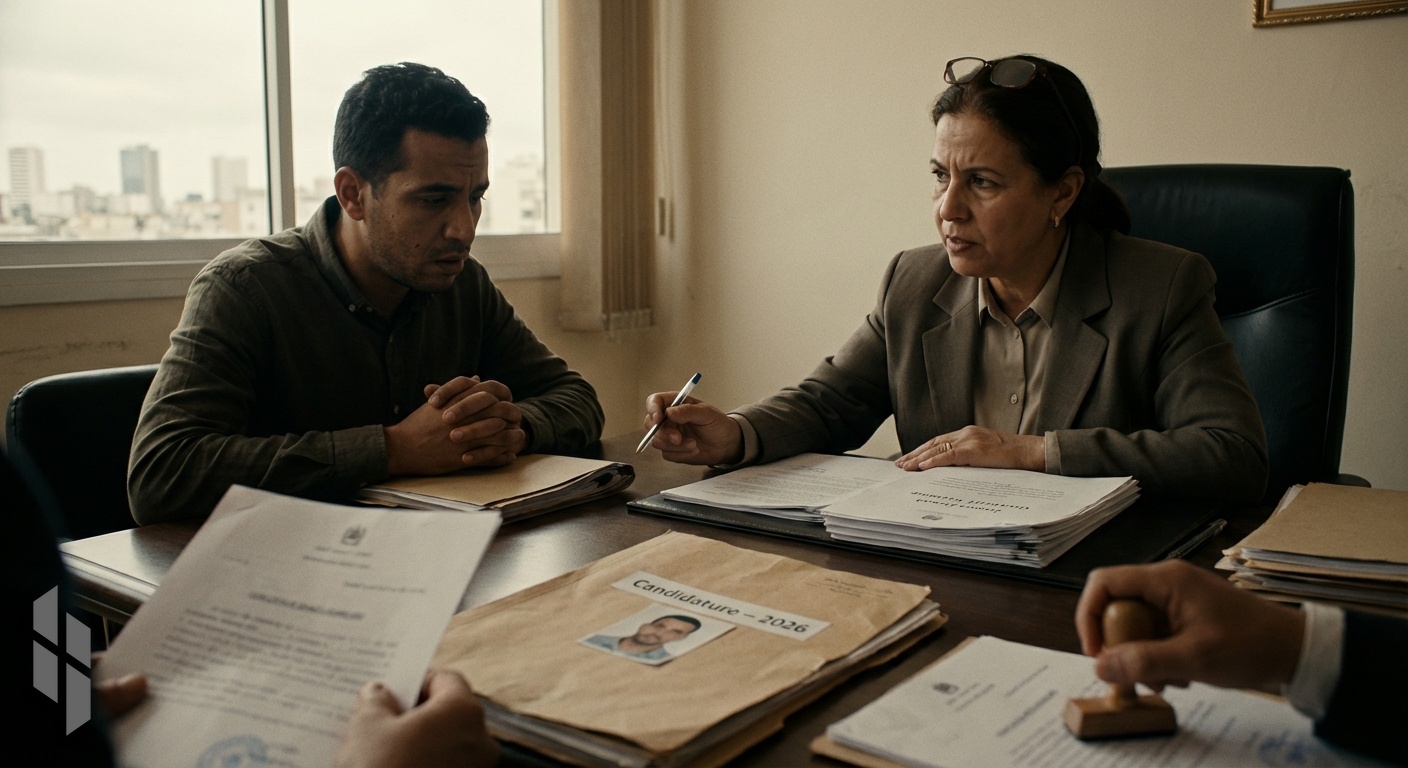
Electoral Law Reform: Candidate Eligibility in Morocco
Electoral Law Reform: Candidate Eligibility in Morocco
The integrity of a democratic system rests upon the quality and transparency of its electoral rolls and the eligibility of those who seek to represent the citizens. In Morocco, the legal framework governing elections has undergone significant evolution to ensure that the democratic process is both inclusive and rigorous. As the Kingdom prepares for future electoral cycles, understanding the legal requirements for candidates and the mechanisms for maintaining electoral lists is essential for every citizen.
The Moroccan electoral system is grounded in a series of Dahirs (Royal Decrees) and laws that define who can vote and who can stand for office. These regulations are designed to prevent fraud, ensure fair representation, and combat the influence of corruption in the political arena. This article explores the legal foundations of candidate eligibility and the procedures for electoral list management under Moroccan law.
The Legal Framework for Electoral Lists
The foundation of any election in Morocco is the electoral list. According to Law No. 57.11 relating to general electoral lists, as referenced in Decree No. 2.14.857, the Moroccan legislator has established strict windows for registration and revision. These lists are not static; they are subject to both annual and exceptional revisions to ensure they reflect the current reality of the population.
For instance, Law No. 88.14 and its implementing decree established specific periods for registration—such as the window from December to February—allowing citizens who have reached the age of 18 to join the rolls. These legislative efforts, including the older Law No. 23.96 and Law No. 52.02, demonstrate a consistent historical effort by the Moroccan state to modernize the voter database.
A clean electoral list is the first line of defense against corruption. By ensuring that only eligible, living, and legally qualified citizens are registered, the law minimizes the risk of "ghost voters" or double registrations that could be exploited during an election.
Candidate Eligibility and Disqualifications
To stand as a candidate in Moroccan elections, an individual must meet several cumulative criteria. While the specific requirements can vary slightly between communal, provincial, and national elections, the core principles remain consistent under the Electoral Code (Law No. 9.97, as amended by Laws 10.21 and 11.21).
Basic Requirements
- Nationality: The candidate must be a Moroccan citizen.
- Age: Candidates must meet the minimum age requirement (generally 21 years for most representative roles).
- Registration: A candidate must be registered on the general electoral lists.
Legal Disqualifications and the Fight Against Corruption
Moroccan law explicitly bars certain individuals from running for office to maintain the dignity of the institution. These disqualifications often include:
- Individuals convicted of specific crimes involving financial malpractice, bribery, or corruption.
- Those deprived of their civil and political rights by a court of law.
- Public officials in certain sensitive positions (such as judges, governors, or high-ranking military personnel) are often ineligible to run in the jurisdictions where they exercise their authority to avoid conflicts of interest.
Law No. 37.08, which organizes exceptional revisions of electoral lists, highlights the administrative rigor used to verify eligibility. For example, if a committee finds that a registered individual no longer meets the criteria, they are given a short window (between three and eight days) to respond before being struck from the list.
The Role of Institutional Oversight
The Ministry of Interior plays a central role in the organization and supervision of the electoral process. As seen in various decrees (such as Decree No. 2.96.358 and Decree No. 2.03.133), the Minister of Interior proposes the specific timelines and logistical frameworks for elections, which are then deliberated within the Government Council.
Furthermore, the Moroccan judicial system acts as the ultimate arbiter of eligibility. Candidates who are rejected by the administrative commissions have the right to appeal these decisions before the courts. This judicial oversight ensures that the administration does not arbitrarily exclude political opponents and that the "rule of law" is respected throughout the electoral cycle.
In the context of the upcoming 2026 elections, these institutions will be tasked with enforcing the latest updates to the Electoral Code, including the 2021 amendments (Laws 10.21 and 11.21), which aimed to further refine the representation of women and youth while strengthening the transparency of campaign financing.
Conclusion and Key Takeaways
The Moroccan electoral legal framework is a complex but vital system designed to ensure that those in power are elected through a fair and transparent process. By strictly regulating who can vote and who can lead, the law seeks to protect the democratic will of the people from the distorting effects of corruption and administrative error.
As we look toward the 2026 elections, the following points remain critical:
- Active Participation: Citizens must ensure they are registered during the legal windows defined by laws such as Law No. 57.11 and Law No. 88.14.
- Integrity Standards: Candidate eligibility is not just about age or nationality; it is about legal and ethical standing. Convictions for corruption are a significant barrier to entry.
- Continuous Revision: Electoral lists are subject to both regular and exceptional revisions (as per Law No. 37.08) to maintain their accuracy.
- Legal Recourse: The Moroccan legal system provides mechanisms for both citizens and candidates to contest administrative decisions, ensuring a balanced and fair system.
Get weekly Moroccan legal updates 📬
Exclusive insights on Moroccan law, citizen rights, and new court decisions — delivered straight to your inbox.
No spam. Unsubscribe anytime.
Have More Legal Questions?
Consult 9anon AI now and get accurate, instant answers about your legal situation in seconds.
Related Articles
Check Offences Reform: 2% Settlement Fine 2026
The essential guide to Morocco's 2026 check law reform: understand the 2% settlement fine, new penalties, and family exceptions.
Law 03.23 Criminal Procedure: Cybercrime Impact 2026
Understand the new changes in Law 03.23 of the Criminal Procedure Code and its impact on cybercrime in Morocco. A comprehensive 2026 guide.
Real Estate & Family for MREs: Digitization 2026
Your guide as an MRE to obtaining online administrative and real estate documents, including building permits and custody papers in 2026.